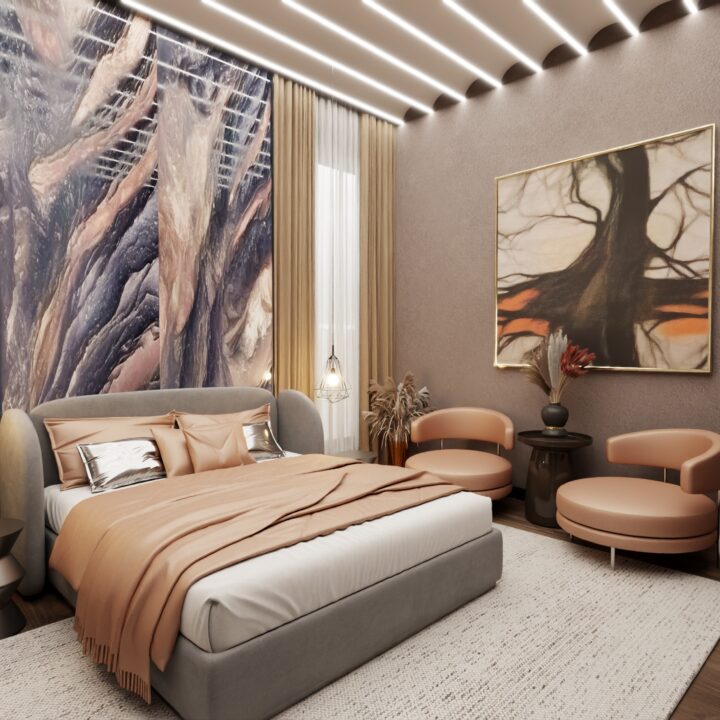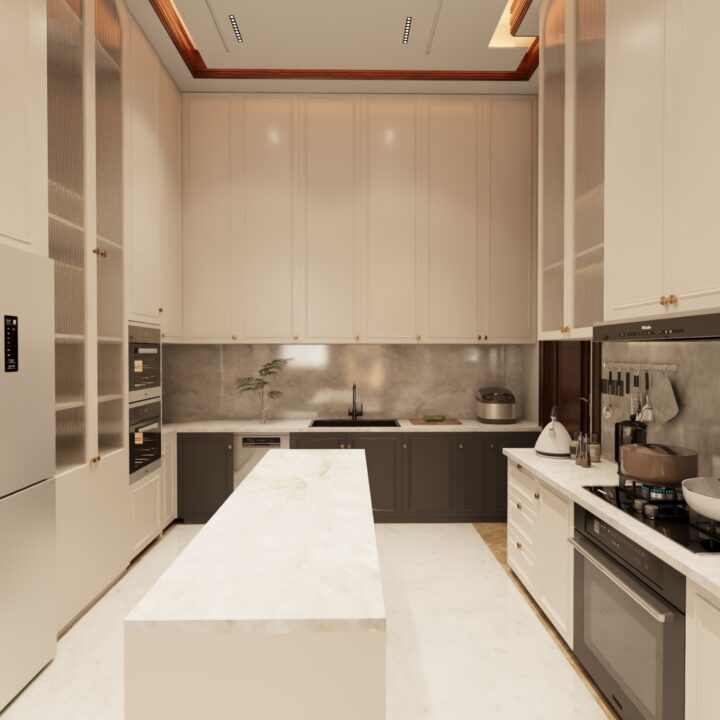

A well-designed lounge is more than a visually appealing space it should feel welcoming, comfortable, functional, and connected to the people who use it. Contemporary interior design increasingly focuses on human-centered principles, considering physical comfort, emotional wellbeing, functionality, and the overall experience of a space.
From thoughtful furniture selection to natural materials, lighting, colour, and spatial flow, every design decision contributes to creating a lounge that feels both sophisticated and inviting.
1. Start With a Clear Layout
Create a balanced arrangement that allows people to move comfortably while encouraging conversation and interaction. Keep circulation paths open and ensure that furniture is positioned according to how the space will be used.
2. Choose Comfortable Seating
Comfort should be at the heart of every lounge. Select sofas, armchairs, and occasional seating that provide proper support while complementing the overall aesthetic of the interior.
3. Layer Different Textures
Combine materials such as soft fabrics, natural wood, leather, stone, and textured finishes to add depth and visual interest. A thoughtful mix of textures can make a lounge feel warmer and more sophisticated.
4. Use a Balanced Colour Palette
Choose colours that create the desired atmosphere without overwhelming the space. Neutral foundations paired with subtle accent tones can create an elegant environment while allowing furniture and architectural details to stand out.
5. Bring Nature Indoors
Introduce biophilic elements such as indoor plants, natural materials, organic forms, and views of greenery. Connecting interior spaces with nature can create a calmer and more inviting atmosphere.
6. Get the Lighting Right
Use a combination of ambient, task, and accent lighting to create flexibility throughout the space. Warm, layered lighting can enhance comfort while highlighting key architectural and decorative elements.
7. Create a Focal Point
Give the lounge a visual anchor, such as an artwork, feature wall, fireplace, statement light, or distinctive piece of furniture. A strong focal point helps establish character and gives the room a clear visual identity.
8. Keep Functionality in Mind
Stylish interiors should also work effortlessly in everyday life. Consider storage, accessibility, furniture proportions, technology, and practical surfaces when developing the design.
9. Add Personal Character
Accessories, artwork, books, decorative objects, and carefully selected furniture can give a lounge a unique identity. Personal touches make the environment feel more authentic and memorable.
10. Balance Style With Wellbeing
The most successful lounge designs bring aesthetics and wellbeing together. Natural materials, comfortable furniture, thoughtful proportions, soft textures, good lighting, and a connection to nature can transform a lounge into a space where people genuinely enjoy spending time.
Designing for the Human Experience
Ultimately, a stylish lounge should not simply look good it should feel good. By combining thoughtful spatial planning, comfort, natural elements, refined materials, and purposeful details, interior designers can create environments that support both everyday functionality and emotional wellbeing.
architect:
David Oswald
project type:
Interior Design
Terms:
6 month
client:
OceanThemes
Strategy:
Minimalistic
date:
November 22,
2020





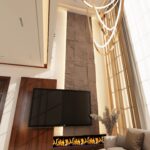
Design in Details
A successful lounge design goes beyond aesthetics it creates an environment that supports comfort, connection, and wellbeing. By thoughtfully combining natural materials, soft textures, greenery, natural light, and organic forms, the interior can establish a strong connection between people and the natural world.
The use of wood, stone, plants, water-inspired elements, and daylight introduces warmth and authenticity while creating a calming atmosphere. Carefully planned furniture arrangements, layered lighting, and tactile finishes further enhance the sense of comfort and make the lounge feel both sophisticated and welcoming.
As contemporary lifestyles continue to keep people indoors for much of the day, interior design has an increasingly important role in supporting wellbeing. Human-centred and biophilic principles allow lounge spaces to feel more connected to nature while responding to the physical, mental, and emotional needs of their users.
Through a balance of natural elements, functional planning, refined materials, and comfortable furnishings, every detail contributes to a lounge that is not only stylish, but also restorative, inviting, and designed around the human experience.
[30m2]
bedroom
[22m2]
bathroom
[28m2]
office
[15m2]
kitchen area
Incredible Result
The result is a lounge that feels naturally inviting, comfortable, and connected to its surroundings. By combining natural materials, greenery, soft textures, organic forms, and carefully considered lighting, the space creates a multi-sensory experience that supports relaxation, connection, and everyday wellbeing.
Thoughtful furniture arrangements encourage conversation and interaction, while biophilic elements introduce a sense of calm and balance. Natural colours and tactile finishes add warmth and character, creating an environment that feels sophisticated without losing its welcoming quality.
The result is a human-centred lounge where design and nature work together transforming an ordinary interior into a refined, restorative space designed to support how people live, relax, connect, and experience their surroundings.